The journey of homeownership is often defined by a series of decisions aimed at preserving value, enhancing comfort, and reflecting personal style. A property is more than just a shelter; it is a complex ecosystem of mechanical systems, structural components, and aesthetic elements that require constant stewardship. When we speak of “professional property upgrades,” we aren’t merely discussing cosmetic changes that offer a fleeting sense of novelty. Instead, we are looking at strategic investments that bolster the integrity of the building, reduce long-term operational costs, and transform the living experience.
Modern property management requires a holistic perspective. Homeowners must balance the immediate needs of maintenance—keeping the rain out and the heat in—with the aspirational goals of luxury and leisure. Navigating this landscape requires a deep understanding of which projects yield the highest return on investment (ROI) and which professionals are best suited to execute them. In this comprehensive guide, we will explore the multifaceted world of high-level property enhancements, moving from the essential structural safeguards to the sophisticated systems that define a modern estate.
The Foundation of Shelter: Protecting the Envelope
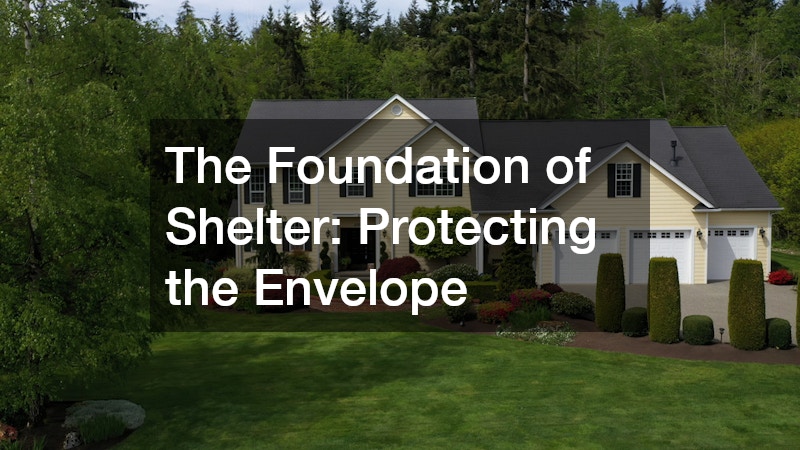
The “envelope” of a home is its first line of defense against the elements. Before one can consider the finer details of interior design or garden aesthetics, the integrity of the shell must be absolute. This begins with the roof, which is arguably the most critical component of any building. A failure at the rooftop level leads to a cascade of problems, from structural rot to the growth of hazardous biological contaminants inside the walls.
When homeowners notice missing shingles, persistent leaks, or sagging rooflines, the first priority is to contact a reputable roofing company. These professionals do more than just hammer nails; they evaluate the ventilation of the attic space, the effectiveness of the flashing around chimneys, and the overall structural health of the trusses. A high-quality installation ensures that the home remains dry and energy-efficient for decades, shielding the interior from the volatile swings of seasonal weather. In modern construction, roofing is also about thermal management. The right contractor will recommend materials that reflect solar radiation, further reducing the strain on other internal systems.
Beyond the roof, the security and accessibility of the home are often anchored by the largest moving part of the structure: the entryway to the garage. Often overlooked until they malfunction, garage doors play a dual role in property management. Functionally, they protect vehicles and stored assets while providing a critical secondary entrance. Aesthetically, they can represent up to 30% of a home’s front facade. Upgrading to insulated, high-cycle torsion spring models not only improves the home’s R-value (insulating power) but also dramatically enhances curb appeal and safety. Today’s professional installations often include smart-technology integration, allowing homeowners to monitor the security of their perimeter from anywhere in the world.
- Key Considerations for Envelope Upgrades:
- Material Longevity: Choose roofing materials like architectural shingles or metal that offer 30- to 50-year lifespans.
- Safety Features: Ensure garage entry systems include modern sensors and encrypted remote technology.
- Energy Performance: Look for high R-value insulation in both systems to lower utility costs.
- Weather Resistance: Prioritize impact-rated materials if you live in regions prone to hail or high winds.
Mastering Internal Climate and Efficiency
Once the exterior shell is secured, the focus shifts inward to the systems that regulate the living environment. Comfort is the invisible metric by which a home’s quality is judged. A home that is too humid in the summer or drafty in the winter is a home that fails to serve its occupants. The mechanical heart of this comfort is the heating, ventilation, and air conditioning system, which requires specialized calibration to function at peak efficiency.
Maintaining peak performance in these systems is not a DIY task; it requires the technical expertise of a licensed HVAC contractor. These experts are responsible for sizing units correctly—a process known as a Manual J calculation—to ensure the system doesn’t cycle too frequently or fail to dehumidify the air. Beyond simple repairs, a professional contractor can integrate smart thermostats and multi-stage filtration systems that drastically improve indoor air quality, which is vital for the health of the residents. Furthermore, a professional will check for duct leaks that could be wasting up to 20% of your heated or cooled air before it even reaches your living spaces.
However, the efficiency of an HVAC system is heavily dependent on how well the windows perform. While high-quality glass is a start, many homeowners find that solar heat gain through large windows can overwhelm even the best air conditioning units. This is where a residential window tinting service becomes an invaluable partner in property management. By applying architectural films to existing glass, these services can block up to 99% of UV rays and significantly reduce infrared heat. This not only protects expensive furniture and flooring from fading but also stabilizes the indoor temperature, allowing the mechanical systems to run more efficiently and extending their operational lifespan.
- Benefits of Environmental Control Upgrades:
- Extended Equipment Life: Reducing the load on the furnace and AC prevents premature wear and tear.
- UV Protection: Architectural films preserve the integrity of artwork, textiles, and wood finishes.
- Consistent Comfort: Eliminating “hot spots” near windows creates a uniform temperature throughout the home.
- Glare Reduction: Improve the usability of home offices and media rooms by controlling natural light levels.
Curating the Natural Landscape and Perimeter
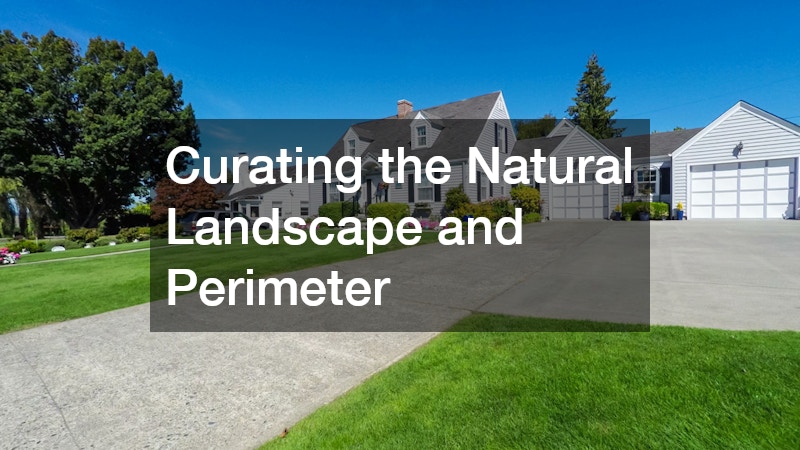
The transition from the interior to the exterior is where a property truly begins to show its character. Landscaping is often the first thing a visitor notices, but it serves a purpose far beyond simple “greenery.” It is about managing the living assets of the land, specifically the large-scale vegetation that provides shade, privacy, and oxygen. Neglecting this aspect of a property can lead to significant structural risks, especially as trees age and their root systems expand.
Large trees are magnificent features, but they require active management to prevent them from becoming liabilities. Professional tree services are essential for identifying diseased limbs, managing growth patterns that might interfere with power lines, and performing deep-root fertilization. During storm seasons, a well-pruned tree is much less likely to suffer a catastrophic failure that could damage the home’s roof or foundation. Furthermore, professional arborists can help plan the “canopy” of a property to maximize natural cooling in the summer months, providing a biological buffer that works in tandem with your mechanical cooling systems.
As the living landscape is refined, the “hard” elements of the yard must be integrated to create usable space. This is the realm of hardscaping, which includes the installation of non-living elements like stone walls, paver walkways, and permanent fire pits. These features provide the “bones” of the outdoor environment, directing foot traffic and preventing soil erosion. When executed with high-quality materials like natural flagstone or kiln-fired brick, these installations create a sense of permanence and architectural continuity between the home and the earth.
- Landscape Management Priorities:
- Risk Mitigation: Regular pruning and removal of “hazard trees” protect the structural investments of the property.
- Erosion Control: Retaining walls and paved paths manage water runoff and protect the foundation.
- Aesthetic Harmony: Matching stone textures to the home’s exterior creates a cohesive design language.
- Soil Health: Professional services ensure that the ground remains porous enough to support life while remaining firm enough to support structures.
Engineering the Outdoor Living Experience: The Science of Leisure
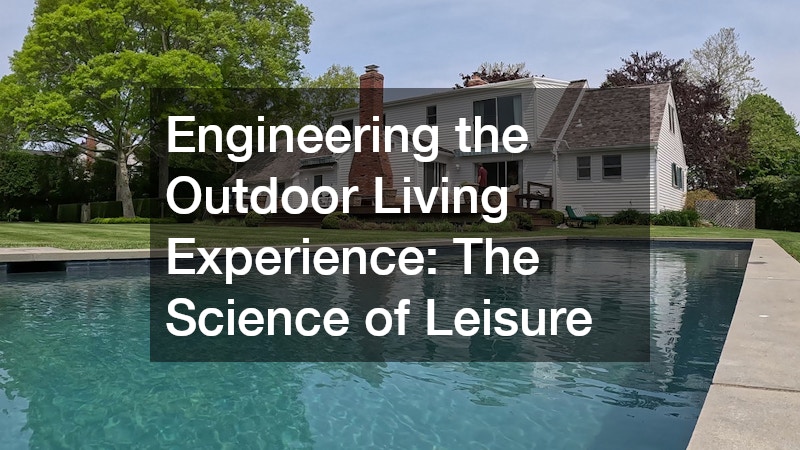
As we move into the second phase of professional property upgrades, the focus shifts from the protective shell of the home to the expansion of its habitable footprint. In the modern real estate market, a property is no longer judged solely by its interior square footage; rather, the seamless transition between indoor comfort and outdoor utility has become the new benchmark for luxury and value.
One of the most complex and rewarding investments a homeowner can make is the addition of a custom aquatic environment. Unlike standard construction, building into the earth requires a specialized mastery of hydraulics and soil mechanics. This is why the involvement of local pool contractors is so vital. These experts possess the regional knowledge necessary to navigate specific geological challenges—whether that involves high water tables, expansive clay soils, or rocky terrain. By choosing a team familiar with the local climate, you ensure that the plumbing systems are winterized correctly and that the structural concrete is poured to withstand local temperature fluctuations without cracking.
Once the engineering of the basin is secured, the focus shifts to the finish that defines the user experience. The pool interior is much more than a decorative choice; it is a technical layer that must withstand constant immersion in chemically treated water. While older plaster finishes were prone to staining and “etching” over time, modern professional upgrades offer pebble-tec or quartz-infused finishes that provide a lifetime of durability. These advanced materials create a non-slip, non-porous surface that resists algae growth, effectively reducing the amount of chemicals needed to maintain a healthy pH balance.
- Engineering the Perfect Swim:
- Hydraulic Flow: Professionals ensure that the circulation system eliminates “dead zones” where bacteria can congregate.
- Structural Integrity: High-grade shotcrete or gunite applications prevent the basin from shifting during seismic or soil-settling events.
- Chemical Stability: Choosing a high-performance interior finish minimizes the reaction between the water and the concrete shell.
- Smart Integration: Modern pool builders can automate everything from heating to lighting through central property management apps.
Structural Extensions and the Art of the Enclosure
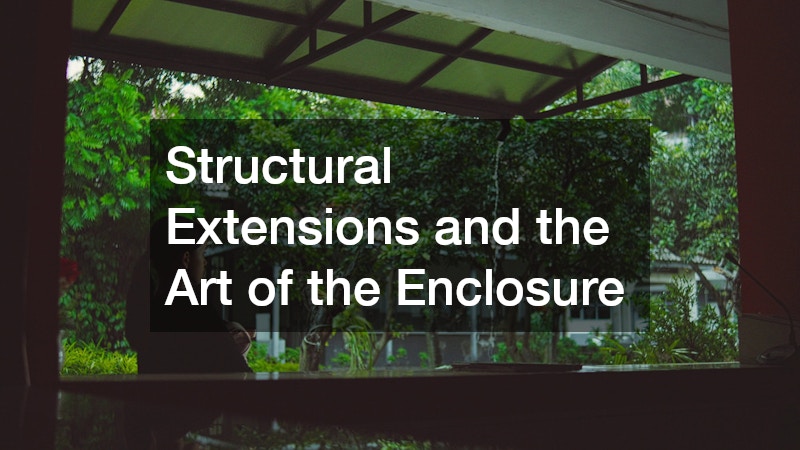
The true potential of a backyard is often limited by the elements—specifically, the heat of the midday sun and the nuisance of local insect populations. To solve these issues without losing the connection to nature, homeowners are increasingly turning toward permanent architectural extensions. These are not mere temporary fixes like umbrellas or pop-up tents; they are structural interventions that require the same level of precision as the primary residence.
A premier solution for high-utility outdoor space is the installation of a custom screened porch. Unlike a basic deck, a professionally designed porch involves complex roofing integration and load-bearing columns that must be tied into the home’s existing foundation. These structures provide a filtered environment where airflow is maximized while debris and pests are excluded. When constructed by experts, these porches often feature vaulted ceilings, integrated lighting, and high-performance screening materials that are virtually invisible to the eye, preserving the view while providing a fortress against the elements.
The success of these enclosures is inextricably linked to the ground they sit upon. This brings us to the necessity of professional hardscape installations, which serve as the literal and figurative foundation for outdoor living. These projects go beyond simple aesthetics; they involve the installation of segmental retaining walls and reinforced patios that manage the weight of the porch and the flow of groundwater. A professional installation includes layers of excavated sub-base, geotextile fabrics to prevent weed growth and shifting, and precision-cut stone that ensures a perfectly level surface.
- The Benefits of Integrated Enclosures:
- Climate Resilience: A porch provides shade and protection from rain, allowing for outdoor use during 75% more of the year.
- Pest Mitigation: Modern screens are durable enough to withstand pests and fine enough to block even the smallest gnats.
- Drainage Management: Expert hardscaping ensures that rain falling off the new roofline is channeled safely away from the house foundation.
- Aesthetic Cohesion: Using matching materials for the porch and the surrounding stonework creates a unified, “resort-style” feel.
The Holistic View of Property Stewardship
Navigating the world of property upgrades requires a shift in mindset from “maintenance as an expense” to “upgrades as an investment.” Every project mentioned in this guide contributes to a larger narrative of quality and care. When a homeowner chooses to work with specialized professionals, they are buying more than just a service; they are buying peace of mind. They are ensuring that the various systems of the home—from the airflow managed by the HVAC to the water managed by the hardscaping—work in concert rather than in conflict.
Professional upgrades also allow for a more sustainable approach to homeownership. By investing in energy-efficient glass treatments, well-maintained mechanical systems, and properly managed landscapes, a homeowner reduces their environmental footprint while lowering their monthly overhead. Furthermore, the use of durable masonry and high-quality finishes means that less material will end up in landfills over the coming decades, as these installations are built to last a lifetime.
Ultimately, the goal of property enhancement is to create a space that supports the life you want to lead. Whether that involves hosting large gatherings by the water, enjoying a quiet afternoon in a bug-free enclosure, or simply knowing that your home is secure beneath a sturdy roof, the choices you make today will define your living experience for years to come.
The process of refining a home is never truly finished, but it can be managed with grace and strategic foresight. By focusing on the essentials—structural integrity, climate efficiency, and outdoor functionality—homeowners can build an estate that grows more beautiful and more valuable over time.
Investing in professional expertise is the most reliable way to navigate this complex landscape. Professionals bring the specialized tools, the deep knowledge of materials, and the adherence to safety standards that DIY projects simply cannot match. As you move forward with your own property improvements, remember that the goal is not just to change the appearance of your surroundings, but to enhance the quality of your daily life.
A home that has been meticulously curated by experts doesn’t just age—it matures, gaining a sense of character and reliability that is palpable to residents and future owners alike. By choosing the path of specialized craftsmanship today, you are securing a lifestyle of ease and a property of distinction for the decades to come. With the right plan and the right partners, your home can become a masterwork of design, comfort, and enduring value.