
Home improvement projects can be exciting opportunities to upgrade your living space, increase property value, and improve daily comfort. However, even well-intentioned projects can quickly become stressful when common mistakes go unchecked. From poor planning to hiring the wrong professionals, small missteps often lead to costly repairs and long-term frustration. Understanding what to avoid—and who to call when you need help—can make all the difference in achieving results you can rely on. Many homeowners begin with a clear vision of the finished result but overlook the steps required to get there, which can cause projects to spiral off track faster than expected.
Budgeting errors, unrealistic timelines, and incomplete research often create avoidable setbacks that impact both progress and final results. Failing to plan for permits, material delays, or unexpected repairs can quickly increase costs and extend timelines. At the same time, attempting to handle complex work without the right expertise can lead to safety concerns and poor workmanship. Taking a thoughtful approach that includes detailed planning and working with experienced professionals helps prevent these issues. With the right preparation and support, homeowners can navigate projects more confidently and achieve results that are both functional and long-lasting.
Failing to Plan Beyond the Surface Details
One of the most common mistakes homeowners make is focusing too heavily on design while neglecting the structural aspects of a project. A new patio, driveway, or foundation addition may look straightforward, but without proper planning, issues like uneven settling or cracking can arise. Consulting a concrete contractor early in the process ensures the underlying structure is properly assessed, graded, and prepared for long-term durability. This step helps prevent future repairs that can far exceed the original project cost.
Material selection is another critical factor that is often underestimated. Choosing visually appealing materials without considering durability, compatibility, and climate resistance can lead to premature wear. Working with a reliable stone supplier helps ensure that materials are suited for your environment and properly matched to the overall design. This not only improves aesthetics but also extends the lifespan of your investment.
Actionable tips:
- Evaluate both structural and visual elements before starting
- Ask about soil conditions, drainage, and load requirements
- Compare material options for longevity, not just appearance
Underestimating Cleanup and Project Waste
Home improvement projects generate more waste than most homeowners anticipate. From demolition debris and old fixtures to packaging materials and excess construction supplies, clutter can quickly overwhelm your workspace and disrupt the flow of a project. A messy site not only slows down progress but also increases the risk of accidents, from tripping hazards to injuries caused by sharp or heavy materials. By anticipating the volume and type of waste your project will produce, you can take proactive steps to keep your work area organized, ensuring that both workers and family members stay safe throughout the renovation process.
Planning ahead with dumpster rentals is one of the simplest and most effective ways to manage project waste. Securing a properly sized dumpster ensures that all debris, from broken concrete to discarded wood or old appliances, has a designated place for disposal. This approach keeps your site clean, streamlines the work process, and allows contractors to focus on their tasks without constantly navigating around piles of debris. Additionally, proper disposal of construction waste helps prevent fines or violations related to local regulations and contributes to environmentally responsible practices by facilitating recycling and proper disposal of materials.
Actionable tips:
- Estimate waste volume before starting the project
- Schedule delivery and pickup dates in advance
- Keep walkways and work areas clear to reduce risks
Ignoring Critical System Maintenance Before Renovations
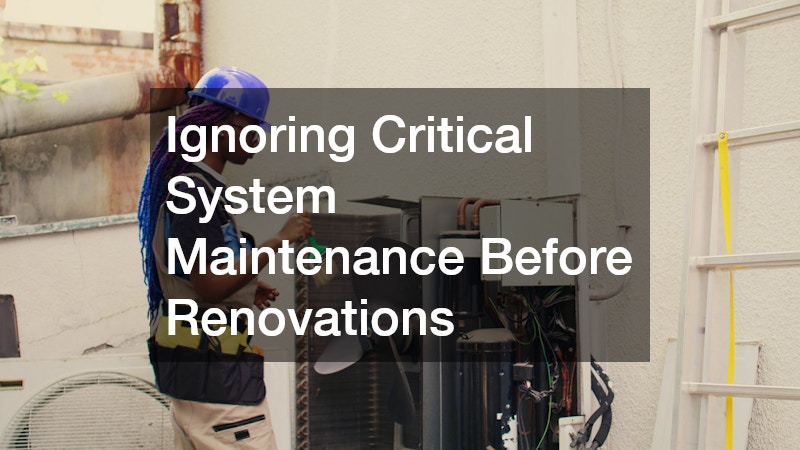
Before beginning any renovation, it is essential to evaluate the condition of your home’s existing systems. Overlooking this step can result in unexpected failures during or after construction. For homes with septic systems, scheduling local septic pumping ensures that the system is functioning properly and can handle increased usage. Neglecting this step can lead to backups that disrupt your entire project.
Actionable tips:
- Inspect major systems before starting renovations
- Address any maintenance issues proactively
- Build system checks into your project timeline
Overlooking Hidden Moisture and Air Quality Issues
Moisture problems are often hidden behind walls, under floors, or in poorly ventilated areas, making them easy to overlook during a renovation. Even small leaks or damp spots can cause significant structural issues over time, such as warped wood, weakened drywall, or damaged insulation. If left unaddressed, these hidden moisture problems can become breeding grounds for mold and mildew, which not only compromise the integrity of your home but also create unpleasant odors and unsightly stains. Identifying and resolving moisture concerns before construction begins is critical to preventing extensive repairs and avoiding setbacks during your project.
Investing in mold testing is one of the most effective ways to uncover hidden moisture problems. Professional testing can pinpoint areas with elevated humidity or microbial growth that aren’t visible to the naked eye, allowing you to address the underlying causes before renovating. This may involve repairing leaks, improving ventilation, or replacing compromised materials to ensure a dry, safe environment. By taking these precautions, you protect your home from long-term structural damage and safeguard the health of your household, creating a foundation for a renovation that is both durable and safe.
Actionable tips:
- Check for musty odors or visible discoloration
- Monitor humidity levels in enclosed spaces
- Address leaks or ventilation issues immediately
Choosing Contractors Based on Price Alone

While it may be tempting to select the lowest bid, doing so often leads to poor workmanship and additional expenses down the line. Hiring a qualified garage door contractor ensures that installations are completed safely and correctly, reducing the risk of mechanical failure or injury. Experience, licensing, and customer reviews should always outweigh initial cost savings.
Actionable tips:
- Verify credentials and insurance coverage
- Ask for references and past project examples
- Compare detailed estimates, not just total cost
Neglecting Essential Plumbing Upgrades
Outdated plumbing systems can struggle to keep up with modern demands, especially after renovations that add new fixtures, appliances, or bathrooms. Older pipes may be prone to corrosion, leaks, or blockages, which can compromise water quality and reduce overall system efficiency. Even seemingly minor issues, like low water pressure or slow drains, can become major inconveniences when new appliances require higher flow rates. Without a thorough assessment, these hidden problems can interfere with your renovation plans and create unexpected disruptions once your project is complete.
Working with professional plumbing services ensures that every component of your system—from pipes and connections to valves and water pressure—is properly evaluated and, if necessary, upgraded to meet current standards. Experts can identify weak points, recommend replacements, and install modern fixtures that improve efficiency and reliability. Ignoring these updates can result in leaks, water damage, and costly repairs that far exceed the initial investment in professional plumbing support. By addressing these issues proactively, homeowners can enjoy smooth operation, prevent future problems, and maximize the value and functionality of their renovated spaces.
Actionable tips:
- Inspect pipes for corrosion or wear
- Upgrade fixtures to improve water efficiency
- Ensure proper drainage and water pressure
Forgetting Backup Power and Energy Reliability
Power outages can disrupt daily life and compromise essential systems in your home. Ensuring that your backup power system is ready to perform is a critical step in any home improvement plan. Scheduling regular generator service helps confirm that your system will function when needed, providing peace of mind during unexpected outages.
Actionable tips:
- Test backup systems periodically
- Keep fuel supplies stocked and accessible
- Schedule routine maintenance checks
Failing to Coordinate Fuel and Energy Sources Safely
Energy systems play a vital role in home functionality, particularly in households that rely on multiple appliances for heating, cooking, or hot water. Without proper planning, fuel distribution and storage can become inconsistent, leading to inefficiencies or interruptions in service. Poorly maintained tanks or incorrectly installed lines can also pose serious safety risks, including leaks or fire hazards. Ensuring that your energy systems are carefully coordinated is essential for keeping your home running smoothly and safely, especially during high-demand periods like winter or during large-scale renovations.
Working with reputable propane companies provides peace of mind by ensuring that both installations and storage systems meet strict safety and regulatory standards. Experienced professionals can assess your home’s energy needs, recommend the correct tank size and placement, and provide ongoing maintenance to prevent problems before they arise. Proper coordination of fuel delivery, line connections, and system checks minimizes the risk of leaks, inefficiencies, and costly repairs. By relying on experts, homeowners can maintain a consistent energy supply, improve efficiency, and protect both their property and their family from avoidable hazards.
Actionable tips:
- Inspect fuel lines and connections regularly
- Monitor usage to avoid unexpected shortages
- Follow all safety guidelines for storage and handling
Overlooking Safety Systems During Upgrades
Safety features should never be an afterthought during home improvement projects, as neglecting them can put both your property and your household at serious risk. Fires, electrical malfunctions, and other emergencies can escalate quickly, especially in homes undergoing renovations where construction materials, tools, and temporary setups may increase hazards. By planning for safety from the outset, homeowners can ensure that essential protections, like fire detection and suppression systems, are properly installed and fully functional. This proactive approach reduces the likelihood of accidents and provides peace of mind, knowing that your home is prepared for unexpected situations.
Incorporating fire protection measures into renovation plans doesn’t have to interfere with your design vision. Modern systems are designed to blend seamlessly with home aesthetics while delivering robust safety, from discreet smoke and heat detectors to built-in sprinkler and alarm systems. Renovations present a prime opportunity to upgrade outdated safety features, optimize placement, and ensure that all systems meet current building codes. By integrating these measures early in the project, homeowners create a safer living environment without sacrificing style, functionality, or the overall appeal of their home.
Actionable tips:
- Install or upgrade smoke and heat detectors
- Keep fire extinguishers accessible in key areas
- Review and update emergency plans
Skipping Final Inspections and Long-Term Maintenance Plans
Completing a project without a thorough final inspection can leave small issues unnoticed, from minor leaks and uneven surfaces to improperly installed fixtures. While these problems may seem insignificant at first, they can quickly escalate into larger, more costly repairs if left unaddressed. A careful walkthrough allows you to catch errors early, verify that all systems are working as intended, and ensure that the craftsmanship meets your expectations. This step is critical for identifying both visible flaws and hidden issues that could compromise safety, efficiency, or durability in the long term.
Establishing a long-term maintenance plan after a project is just as important as the inspection itself. Regularly scheduled upkeep, such as checking plumbing, electrical systems, and structural elements, helps prevent deterioration and extends the life of your improvements. Keeping detailed records of warranties, service dates, and maintenance tasks allows homeowners to stay organized and make informed decisions when future repairs or upgrades are needed. By combining a thorough final inspection with a proactive maintenance strategy, you can safeguard your investment, maintain a comfortable living environment, and ensure that your home continues to function efficiently for years to come.
Actionable tips:
- Conduct a detailed walkthrough after completion
- Document warranties and service records
- Schedule regular maintenance for all systems
Home improvement projects are significant investments that require careful planning, informed decisions, and the right professional support. Each project, whether a kitchen remodel, a new driveway, or a major structural upgrade, involves multiple moving parts that can quickly become overwhelming without a clear plan. From budgeting accurately to selecting the right materials and scheduling skilled contractors, every decision plays a role in the success of the project. Taking the time to research, compare options, and anticipate potential challenges helps homeowners make confident choices that balance cost, quality, and long-term value.
By avoiding common mistakes and taking a proactive approach, you can achieve results that enhance both the beauty and functionality of your home. This means not only executing the renovation correctly but also thinking ahead to maintenance and future needs. Incorporating routine inspections, professional services, and preventive care into your home improvement plan ensures that improvements remain durable and effective over time. Thoughtful preparation and ongoing maintenance safeguard your investment, reduce the risk of unexpected repairs, and allow you to enjoy a home that is safe, comfortable, and visually appealing for years to come.