Improving home efficiency doesn’t have to mean tearing down walls or committing to a full-scale remodel. Many upgrades deliver meaningful improvements in comfort, performance, and long-term cost savings without major structural work. Homeowners across the United States are increasingly focused on solutions that reduce waste, streamline everyday living, and improve how their homes function — all while staying within realistic budgets and timelines.
Efficiency-focused upgrades often work behind the scenes. They address how water flows, how air circulates, how spaces connect, and how materials perform over time. These improvements can reduce ongoing expenses, simplify maintenance, and create a more responsive living environment. Even modest changes can add up to noticeable gains when they’re chosen carefully and installed correctly. Whether your goal is to lower utility bills, improve daily comfort, or make smarter long-term investments, these upgrades offer accessible ways to enhance how your home works for you.
1. Improve Water Quality and Reduce Waste
Clean, reliable water plays a larger role in household efficiency than many homeowners realize. Installing a water filtration system can reduce dependence on bottled water, lower long-term costs, and improve overall water use throughout the home. Instead of purchasing disposable containers or dealing with inconsistent tap quality, homeowners gain a consistent source of filtered water directly from their plumbing.
A properly selected water filtration system can support efficiency by extending the lifespan of appliances that rely on water. Mineral buildup is a common cause of wear in fixtures and equipment, and filtration helps limit that damage. Over time, this can reduce maintenance needs and prevent premature replacements, saving both money and resources.
Another benefit of a water filtration system is improved usability across multiple areas of the home. Filtered water can be supplied to kitchen sinks, refrigerators, and select bathroom fixtures, creating a consistent standard of quality. This allows homeowners to make better use of the water they already have rather than relying on supplemental products.
From an efficiency standpoint, a water filtration system offers long-term value with minimal disruption during installation. Many systems can be added without invasive work, making them a practical upgrade for homeowners who want measurable benefits without major renovation commitments.
2. Create Flexible Indoor–Outdoor Flow
Improving how spaces connect can significantly affect how efficiently a home functions. Folding doors offer a way to open large sections of a wall without altering the structural layout of the house. By allowing rooms to expand or close off as needed, homeowners can better manage airflow, natural light, and space usage.
When installed correctly, folding doors support efficiency by improving ventilation. Opening wide panels allows fresh air to circulate naturally, reducing reliance on air conditioning during mild weather. This passive airflow can make living areas more comfortable while lowering energy use throughout the day.
Folding doors also help maximize usable square footage. Spaces that feel confined can instantly become more adaptable, especially when entertaining or transitioning between seasons. This flexibility allows homeowners to get more function from existing rooms rather than building additions or reworking layouts.
From a practical perspective, folding doors can often be installed within existing openings. This makes them a suitable upgrade for homes seeking efficiency through smarter space use rather than major structural changes.
3. Update Electrical Systems for Smarter Performance
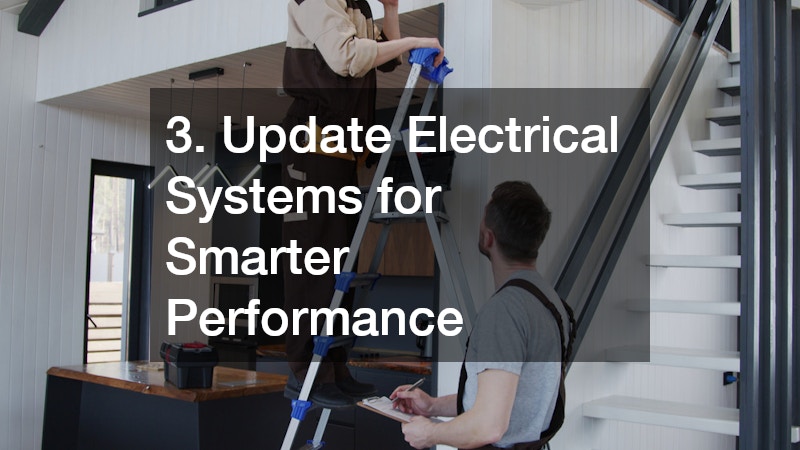
Electrical efficiency isn’t just about reducing energy costs. It also affects safety, reliability, and a home’s ability to support modern living. Working with local electricians allows homeowners to identify outdated components and make targeted improvements that enhance overall performance without invasive upgrades.
Local electricians typically focus on optimizing circuits, updating panels when necessary, and improving load distribution. These changes help prevent energy loss and reduce the risk of overloaded systems. Efficient electrical infrastructure supports modern appliances, lighting, and technology without requiring extensive rewiring throughout the home.
Another advantage of using local electricians is their familiarity with regional building codes and safety standards. This ensures upgrades meet compliance requirements while remaining practical for the property. Even small improvements, such as upgrading outlets or improving grounding, can noticeably improve system performance.
Addressing electrical efficiency early helps homeowners avoid larger repairs down the road. Local electricians provide solutions that fit within existing structures, making this a smart upgrade for improving efficiency without major renovations.
4. Improve Insulation and Thermal Performance
Heat loss and heat gain are major contributors to inefficiency in residential homes. Window replacement is one of the most effective ways to address this issue without changing the home’s footprint. Older windows often allow drafts and temperature swings that force heating and cooling systems to work harder than necessary.
Modern window replacement options are designed to improve insulation and regulate indoor temperatures more effectively. Enhanced glazing, better seals, and updated frame materials all contribute to stronger thermal performance. These features help maintain more consistent indoor conditions year-round.
Beyond temperature control, window replacement can also improve noise reduction and overall comfort. By limiting air leakage and outside disturbances, homeowners experience a more stable and efficient living environment. This often reduces reliance on HVAC systems, leading to long-term energy savings.
Most window replacement projects can be completed without disturbing surrounding walls or finishes. This makes the upgrade both practical and efficient, delivering immediate benefits without the disruption of major construction.
5. Reduce Water Usage in Daily Routines
Bathrooms are among the most frequently used spaces in any home, making them an important area for efficiency improvements. Installing glass shower doors helps contain water more effectively, reducing splashing and unnecessary moisture spread. This controlled environment supports better water management during daily use.
Glass shower doors also make cleaning easier and help protect surrounding surfaces from long-term moisture exposure. By directing water where it’s intended to go, they reduce wear on walls and flooring, which can lower maintenance needs over time.
From an efficiency standpoint, glass shower doors encourage more controlled water use. The enclosed design often results in shorter, more mindful showers, which supports reduced water consumption over the long term. Small behavioral changes like these can lead to meaningful savings.
Because glass shower doors fit within existing bathroom layouts, installation typically requires minimal modification. Homeowners can improve functionality and efficiency without committing to a full bathroom renovation.
6. Optimize Hot Water Availability
Hot water efficiency has a direct impact on household performance. Water heater replacements allow homeowners to upgrade outdated systems with models designed to heat water more efficiently and consistently. Modern units are built to reduce standby energy loss while maintaining reliable output.
Water heater replacements improve efficiency by aligning capacity with actual household demand. Older or oversized units often waste energy, while newer systems are engineered to operate only when needed. This leads to more predictable energy use and lower utility costs.
Another benefit of water heater replacements is improved reliability. Newer systems deliver steadier temperatures and faster recovery times, which reduces water waste while waiting for hot water. This supports efficiency across kitchens, bathrooms, and laundry areas. In most cases, water heater replacements can be completed using existing connections and space. This makes the upgrade accessible and cost-effective while still delivering noticeable efficiency improvements.
7. Improve Driveway Performance and Longevity
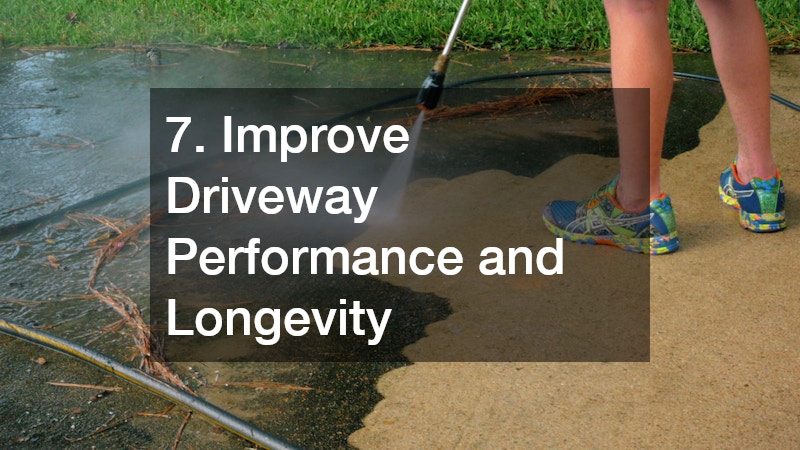
Exterior surfaces contribute more to efficiency than many homeowners expect. A properly maintained driveway supports smooth access, reduces long-term maintenance demands, and helps manage water around the property. Working with asphalt companies allows homeowners to restore or resurface existing driveways without excavation or major reconstruction.
Asphalt companies often focus on extending the life of existing pavement rather than full replacement. This approach improves efficiency by reducing material waste and lowering future repair costs. A smooth, sealed surface also improves water runoff, which helps protect nearby landscaping and prevents pooling near foundations.
Another efficiency benefit involves seasonal performance. Asphalt retains heat more effectively than many other materials, which can help with snow and ice melt in colder regions. This reduces the need for repeated de-icing treatments and lowers ongoing maintenance effort during winter months.
Because asphalt resurfacing is typically completed over the existing base, disruption is minimal. Homeowners gain a more durable, lower-maintenance driveway while avoiding the cost and inconvenience of a complete replacement project.
8. Improve Indoor Air Quality and System Performance
Clean air is essential to both comfort and efficiency. Replacing air filters regularly is one of the simplest ways to improve HVAC performance without upgrading the system itself. When air filters become clogged, heating and cooling equipment must work harder, which increases energy use and shortens equipment lifespan.
High-quality air filters allow air to move more freely through the system, supporting consistent airflow and even temperature distribution. This helps HVAC units operate more efficiently and reduces strain on motors and components. As a result, energy consumption becomes more predictable and manageable.
Air filters also protect indoor environments by capturing dust, allergens, and debris before they circulate through the home. Cleaner systems require fewer service calls and maintain efficiency for longer periods. Improved air quality can also make living spaces more comfortable year-round.
Replacing air filters is a quick, low-cost upgrade that doesn’t require professional installation in most homes. Despite its simplicity, this small task delivers ongoing efficiency benefits that support both system performance and indoor comfort.
9. Improve Access and Thermal Control
Garages often act as a buffer between outdoor temperatures and interior living spaces. Working with a garage door company allows homeowners to address doors that no longer seal properly or operate efficiently. Modern garage doors are designed to improve insulation and limit air leakage.
An upgraded door helps stabilize temperatures inside the garage, which reduces heat transfer into adjacent rooms. This can ease the workload on heating and cooling systems, especially in homes where the garage connects directly to the house. Better sealing leads to more consistent indoor comfort.
A garage door company can also improve operational efficiency. Newer doors and openers function more smoothly and reliably, reducing wear and minimizing maintenance needs. Improved operation also enhances convenience and safety for daily use.
Because garage door upgrades typically use existing openings, installation does not require structural changes. This makes it an efficient way to improve energy performance and functionality without major construction.
10. Choose Flooring That Supports Comfort and Efficiency

Flooring plays an important role in how a home retains heat and manages sound. Carpet flooring provides natural insulation, helping reduce heat loss through floors during colder months. This added thermal layer supports more stable indoor temperatures and improved comfort.
Carpet flooring also absorbs sound, which reduces noise transfer between rooms and levels. Quieter spaces feel more efficient for daily living, especially in homes with shared living areas or multiple floors. This contributes to a calmer, more comfortable environment.
From an installation standpoint, carpet flooring is often placed over existing surfaces. This allows homeowners to upgrade without removing subflooring or altering the structure beneath. Modern materials also offer improved durability and stain resistance compared to older carpet options.
With the right padding, carpet flooring enhances insulation while remaining accessible and cost-effective. It’s a practical upgrade that improves efficiency and comfort without requiring extensive renovation work.
11. Improve Water Delivery Efficiency
Hot water availability affects nearly every daily routine. Water heater replacements allow homeowners to upgrade to systems that deliver hot water more efficiently while reducing unnecessary energy consumption. Newer models are designed to respond better to household demand.
Modern water heater replacements help eliminate issues like long wait times and inconsistent temperatures. Faster recovery reduces water waste, since less water is lost while waiting for heat. This supports efficiency in bathrooms, kitchens, and laundry areas.
Updated units are often more compact and easier to integrate into existing utility spaces. This allows homeowners to benefit from improved performance without relocating plumbing or expanding mechanical areas. Because water heater replacements usually rely on existing hookups, installation is typically straightforward. The result is a more efficient system that supports everyday needs while keeping renovation requirements minimal.
Increasing home efficiency doesn’t require major remodeling or disruptive construction. Strategic upgrades can significantly improve comfort, performance, and long-term value while working within an existing structure. When selected carefully, these improvements address common sources of waste and inefficiency.
Each upgrade in this guide offers a practical way to improve how a home functions day to day. By focusing on performance rather than appearance alone, homeowners can make changes that deliver measurable benefits over time. Small improvements, when combined, create meaningful results. For homeowners looking to enhance efficiency without major renovations, targeted upgrades provide a smart and manageable path forward.