You crank the thermostat up, hear the furnace humming along, and yet somehow you are still reaching for a sweater indoors. This frustrating disconnect between a working heating system and a genuinely warm home is more common than most homeowners realize. The culprit is rarely just one thing; it is usually a combination of small inefficiencies working against you at once. Understanding where heat actually escapes and where your system might be underperforming is the first step toward a warmer, more comfortable house.
Drafty Windows and Doors Are Letting Heat Escape
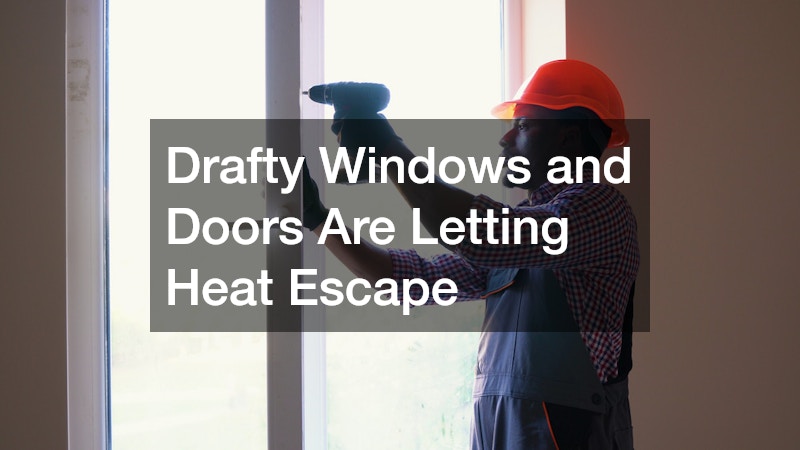
Even a well-functioning furnace cannot keep up with a house that is constantly losing warm air through gaps around windows and doors. Old weatherstripping, warped frames, and thin single-pane glass all create pathways for heat to escape and cold air to creep in. The Department of Energy estimates that drafts around windows and doors can account for 25 to 30 percent of a home’s total heating and cooling loss, which is a substantial amount for a problem that often goes unnoticed.
You can usually spot the worst offenders with a simple test. Hold a lit candle or a piece of tissue near the edges of window frames and door jambs on a cold, windy day; if the flame flickers or the tissue moves, air is passing through. Rooms with older double-hung windows, sliding glass doors, and exterior doors without proper sweeps tend to be the biggest culprits.
Over time, these small leaks add up to a significant portion of your total heat loss, forcing your system to run longer and harder than it should. That extra strain shows up on your energy bill and shortens the lifespan of your furnace by making it work overtime just to maintain a steady temperature. Fortunately, sealing these gaps with fresh caulk, updated weatherstripping, or draft stoppers is one of the most affordable fixes in home heating, often paying for itself within a single winter.
A simple way to check for drafts is to hold a lit candle or a piece of tissue paper near the edges of your windows and doors on a windy day. If the flame flickers or the paper moves, you have found a leak worth addressing. Focus on the usual trouble spots first: window sashes, the bottom of exterior doors, and where trim meets the wall.
According to the U.S. Department of Energy, air leaks around windows and doors can account for as much as 10 to 25 percent of a home’s heat loss, which explains why a room can feel chilly even with the thermostat cranked up. Older single-pane windows and doors without proper weatherstripping are the most common culprits, especially in homes built before the 1980s.
Sealing these gaps is often one of the cheapest and fastest ways to notice an immediate difference in comfort. A tube of caulk costs just a few dollars and can seal small cracks around window frames in under an hour, while adhesive-backed weatherstripping can close up drafty door edges for less than $20. For larger gaps, a door sweep or draft stopper adds another layer of protection, and even temporary plastic window film can cut noticeable cold spots during the coldest months while you plan more permanent fixes.
- Apply new weatherstripping around door frames and window sashes — foam tape works for small gaps, while V-strip (tension seal) holds up better on high-friction areas
- Use caulk to seal small gaps around window trim; look for silicone or acrylic-latex caulk rated for exterior use if the gap is exposed to outdoor air
- Check for drafts on a windy day by holding a lit candle or damp hand near window and door edges — flickering or a cool feeling means air is leaking through
- Install draft stoppers along the bottom of exterior doors, or a simple door sweep for a more permanent fix
- Consider heavy thermal curtains for older or single-pane windows, and close them at night to add an extra layer of insulation
- For persistently drafty windows, a low-cost plastic film insulation kit can seal out cold air for the whole winter season
Poor Attic and Wall Insulation Undermines Your System
Heat naturally rises, and if your attic insulation is thin, outdated, or unevenly distributed, that warmth escapes straight through your roof. Many older homes were built with insulation standards that are far below what is recommended today, meaning your furnace is essentially heating the outdoors. Wall insulation gaps, though less visible, can be just as damaging to your overall comfort and energy bills.
A quick way to gauge attic insulation is to look at how evenly it covers the joists; if you can see wood beams poking through a thin layer, it is time for an upgrade. Adding insulation is a project that pays for itself relatively quickly through lower heating costs and a noticeably warmer home in winter.
An Aging or Struggling Furnace Cannot Keep Up
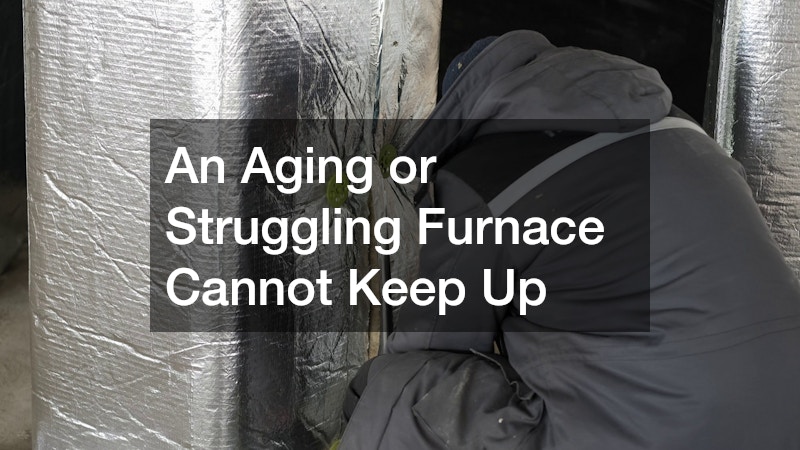
Sometimes the problem is not the house at all but the equipment trying to heat it. Furnaces lose efficiency as they age, and issues like a clogged filter, a failing igniter, or a cracked heat exchanger can quietly reduce how much warm air actually reaches your living spaces. If your energy bills are climbing while your comfort is dropping, your heating system may be working overtime just to produce lukewarm results.
Scheduling furnace repair at the first sign of trouble, such as strange noises, uneven heating, or short cycling, can prevent a small issue from turning into a full system failure. A technician can also confirm whether your unit is simply undersized for your home, which is a common reason people feel cold despite constant heating.
- Replace furnace filters every one to three months during heating season
- Listen for banging, rattling, or squealing sounds from the unit
- Watch for rooms that never seem to reach the set temperature
- Note any increase in heating costs without a change in usage
Leaky Ductwork Is Wasting Warm Air Before It Reaches You
Even a perfectly functioning furnace can fail to warm your home if the ductwork carrying that heat is full of leaks, gaps, or disconnected sections. Ducts that run through unheated spaces like attics, crawlspaces, or garages are especially prone to losing warm air before it ever reaches your rooms. Studies suggest homes can lose a significant percentage of heated air through faulty ductwork alone, which explains why some rooms always feel colder than others.
If you notice a consistent temperature difference between rooms or feel warm air escaping in your attic or basement, it is worth having your ducts inspected and sealed. Reaching out to a qualified HVAC company for a full ductwork assessment can uncover leaks you would never spot on your own, and sealing them often makes an immediate difference in comfort.
A Blocked or Dirty Chimney Can Pull Warm Air Out
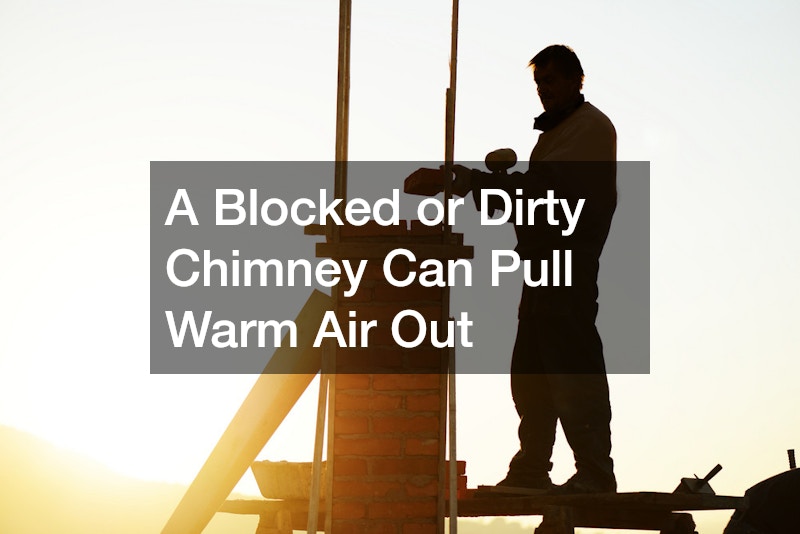
If your home has a fireplace, an improperly maintained chimney can actually work against your heating efforts. A dirty or obstructed flue can create drafts that pull warm indoor air up and out of the house, even when the fireplace is not in use. This constant air exchange can leave rooms near the fireplace feeling noticeably chillier than the rest of the home.
Scheduling regular chimney cleaning helps ensure the damper seals properly and that no unwanted airflow is sneaking through creosote buildup or debris. A clean, well-sealed chimney not only improves safety but also helps your home retain the heat your furnace is working to produce.
Outdated Electrical Systems Can Affect Heating Performance
Many people do not realize that electrical issues can quietly interfere with heating performance, especially in homes with electric furnaces, heat pumps, or zoned thermostats. Faulty wiring, overloaded circuits, or an aging electrical panel can cause heating components to underperform or cycle inconsistently. This is particularly true in older homes where the electrical system was never updated to handle modern heating demands.
If you notice flickering lights when your heating system kicks on, tripped breakers, or thermostats that seem to lose power intermittently, it may be time to bring in a local electrician. They can evaluate whether your home’s electrical capacity is adequate for your heating equipment and correct any wiring issues that could be silently sabotaging your comfort.
Exterior Wall Damage Lets Cold Air Seep Inside
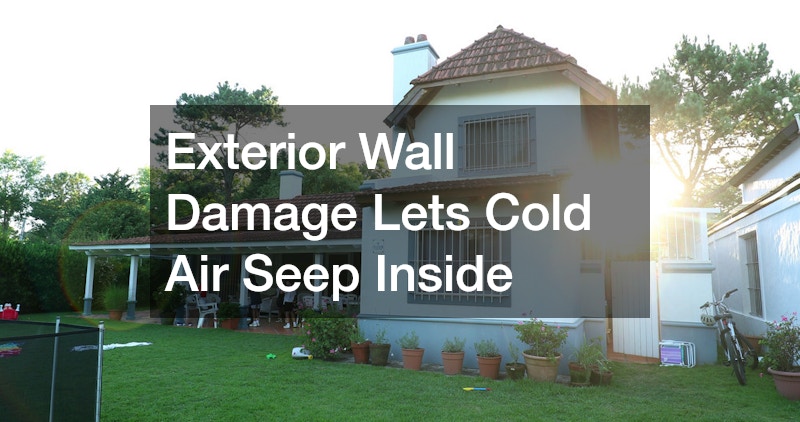
The condition of your home’s exterior walls plays a bigger role in indoor comfort than most people expect. Cracked or deteriorating stucco can create small openings that let cold air infiltrate your walls, undermining even the best insulation efforts inside. Over time, moisture can also seep into these cracks, further weakening the wall’s ability to hold in heat.
Addressing stucco repair promptly not only protects your home’s structural integrity but also helps maintain a consistent indoor temperature. Homeowners often notice a real difference in comfort after repairing damaged exterior sections, since it closes off one more pathway for heat to escape unnoticed.
Overlooked Outdoor Systems Can Influence Indoor Comfort
It might seem unrelated, but the condition of your yard and outdoor systems can indirectly affect how warm your home feels. Poor grading or overgrown landscaping near your foundation can trap moisture against your home, and damp foundations conduct cold more efficiently than dry ones. Thoughtful backyard landscaping that directs water away from your foundation can help keep your crawlspace or basement drier and less prone to cold, damp air seeping upward.
Similarly, if you rely on an irrigation system, poorly timed or leaking sprinkler system installations near the house can saturate the soil close to your foundation. This excess moisture makes it easier for cold to transfer into your home during winter months. Keeping outdoor water sources properly maintained and positioned away from your foundation is a simple but often overlooked way to support indoor warmth.
Home Additions and Upgrades Can Shift Heating Needs
If your house has recently gone through renovations or new installations, your heating needs may have changed without you fully accounting for it. Adding square footage, finishing a basement, or installing new systems can shift the load on your existing furnace, sometimes leaving certain areas underheated. Even seemingly unrelated upgrades, like an ev charger installation in the garage, can affect your home’s overall electrical load and how efficiently your heating system operates alongside other high-demand appliances.
It is worth having your heating capacity reassessed whenever you make significant changes to your home. A slightly undersized furnace that once handled your home comfortably may struggle once new rooms or systems are added, leading to that persistent cold feeling despite regular use.
Plumbing and Drainage Issues Can Chill Your Living Spaces
Basements and lower levels often feel colder than the rest of the house, and sometimes the reason has nothing to do with insulation or airflow. A failing septic tank installation or drainage issue near your home’s foundation can introduce excess moisture into the surrounding soil, which then conducts cold into your lower levels. This is especially common in older homes where the septic system was installed decades ago and may no longer function efficiently.
If your basement consistently feels damp and cold regardless of your heating settings, it is worth having your septic and drainage systems inspected. Correcting moisture issues at the source can make a noticeable difference in how warm and dry your lower level feels, complementing whatever heating improvements you make elsewhere in the home.
Upgrading to a Modern Cooling and Heating System Pays Off
While cooling might seem unrelated to a cold house in winter, many modern systems now combine heating and cooling functions, meaning outdated equipment can affect both seasons. If your home relies on an older combined system, inefficiencies in one function often signal problems in the other. Investing in updated AC installation alongside your heating upgrades can improve your system’s overall efficiency and give you more consistent temperature control year-round.
Newer systems are also designed with better zoning and smart thermostat compatibility, allowing you to direct heat more effectively to the rooms that need it most. This kind of upgrade is particularly worthwhile if your current system is over fifteen years old and has required frequent repairs.
A cold house despite a running furnace is almost never caused by a single issue, but rather a combination of small inefficiencies throughout your home. By systematically checking your insulation, ductwork, chimney, electrical system, exterior walls, and outdoor drainage, you can pinpoint exactly where your comfort is slipping away. Start with the simplest fixes, like sealing drafts and replacing filters, then work your way toward professional inspections for anything that seems beyond a quick DIY solution. Taking these steps not only restores warmth to your home but also improves efficiency and lowers your energy costs for years to come.