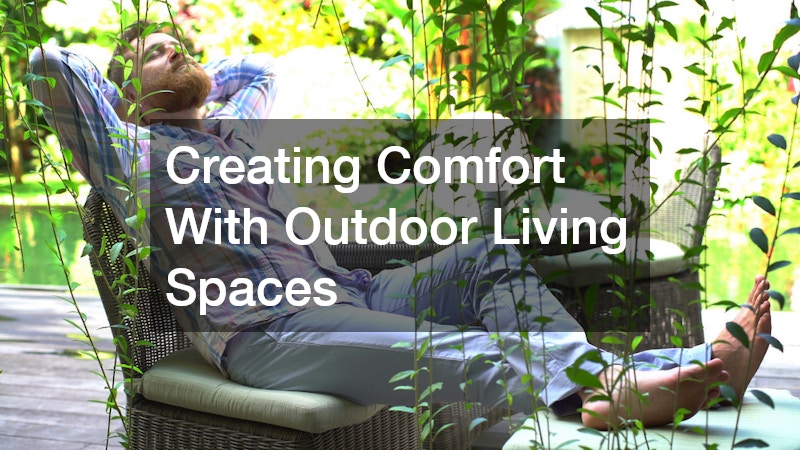
The concept of home has undergone a profound transformation. Homeowners are no longer viewing their backyards merely as patches of green space to be mowed, but rather as “emotional square footage.” This term represents an intentional extension of the indoor sanctuary—a place designed specifically to capture the comfort, warmth, and utility of an interior living room while embracing the open-air benefits of nature. Creating an outdoor living space that genuinely balances relaxation with functionality requires moving past basic plastic lawn chairs and a freestanding grill. It demands a thoughtful master plan centered around structural privacy, microclimate management, ergonomic flow, and durable material selections.
When you successfully bridge the gap between your indoor environment and the raw outdoors, you unlock a highly versatile venue for hosting, unwinding, and daily living. True outdoor comfort relies on a delicate trifecta: clear physical boundaries to instill a sense of security, ergonomic layouts that promote physical relaxation, and atmospheric enhancements that prolong the usability of the space into late evening hours and changing seasons. By approaching your backyard with the same design rigor you would apply to a kitchen remodel or an interior addition, you can transform an underutilized lawn into a resilient, high-end retreat.
Building Structural Privacy and Shade

The foundation of true psychological comfort in an outdoor environment is the feeling of enclosure. If an outdoor space feels exposed to wind, street noise, or the direct sightlines of neighboring windows, it is inherently difficult for the human mind to fully relax. Before buying decor or arranging zones, you must establish clear, protective boundaries that shield your living area from both the elements and the public eye.
Managing the physical boundaries of your property requires a balance between architectural structures and natural barriers. To build a secure, intimate boundary that blocks prevailing winds and prying eyes, consider the following structural strategies:
- Conduct a Sightline Assessment: Before breaking ground on any perimeter structures, sit in the exact location where your primary seating area will be. Look upward and outward toward surrounding homes to identify gaps where neighbors can see directly into your space. Mark these zones for targeted privacy screening.
- Implement Microclimate Controls: Use solid or semi-private vertical barriers to deflect harsh evening drafts. A well-placed perimeter structure can lower wind speeds across a patio by over fifty percent, instantly making an outdoor dinner or movie night far more comfortable.
- Balance Light and Airflow: While absolute privacy is often desired, entirely solid perimeters can create a stagnant microclimate by trapping hot air. Opt for horizontal slat configurations or shadowbox designs that allow gentle breezes to pass through while obscuring direct lines of sight.
To bring these structural plans to life safely and legally, it is wise to consult with professional fence contractors. These specialists ensure your perimeter structures comply with local zoning laws, respect property lines, and utilize proper post-setting depths to survive seasonal frost heaves and high-wind events.
Additionally, you can augment your hardscaped barriers by partnering with a trusted tree service. Professional arborists can strategically prune overhanging limbs to eliminate hazards while maintaining a healthy, organic canopy. They can also recommend and plant fast-growing evergreen screens, such as Arborvitae or skip laurels, to soften the architectural lines of your boundaries with lush, natural sound-dampening insulation.
Selecting Durable Foundation Materials
Once your privacy boundaries are secure, focus turns to the flooring system. The ground cover of your outdoor living room serves as the literal and figurative foundation for all your design elements. It must be perfectly level to prevent furniture from wobbling, structurally sound to support significant weight loads, and engineered to shed water rapidly during heavy downpours.
Homeowners frequently debate whether to install a raised deck or a ground-level hardscape. While wood or composite decking works beautifully for sloping lots, a solid masonry or poured foundation offers unparalleled longevity, minimal maintenance, and a grounded, timeless aesthetic that mimics interior flooring tiles. To engineer a high-traffic flooring system that withstands the elements, apply these specific technical tips:
- Prioritize Flush Transitions: For optimal flow, design the top surface of your outdoor flooring to sit just below the threshold of your interior doors. Keeping a flush transition prevents tripping hazards and creates a seamless visual glide when looking through sliding glass or French doors.
- Demand a Subtle Slope for Drainage: A properly engineered outdoor foundation is never perfectly flat. It should feature a subtle pitch—ideally a one-quarter inch drop for every foot of length—directed away from your home’s foundation to prevent water from pooling near the basement or crawlspace walls.
- Establish Subgrade Integrity: The durability of any hardscape lies entirely beneath the surface. Ensure your project includes a excavated base lined with geotextile fabric, followed by a thoroughly compacted gravel sub-base to prevent shifting, settling, or cracking during freeze-thaw cycles.
Achieving this level of structural precision typically requires industrial machinery and specialized expertise. Investing in professional concrete services ensures that large pads, walkways, or structural retaining walls are poured with the exact PSI ratings, steel rebar reinforcement, and expansion joints needed to resist cracking over decades of use.
To elevate this foundation beyond basic gray stone, you can work alongside experienced masonry contractors. These craftsmen can overlay structural foundations with premium natural stone, hand-carved flagstone, or interlocking pavers. They can also construct custom outdoor fireplaces, fire pits, and stone kitchen islands that serve as permanent, elegant focal points to anchor your entire outdoor layout.
Enhancing the Home’s Facade
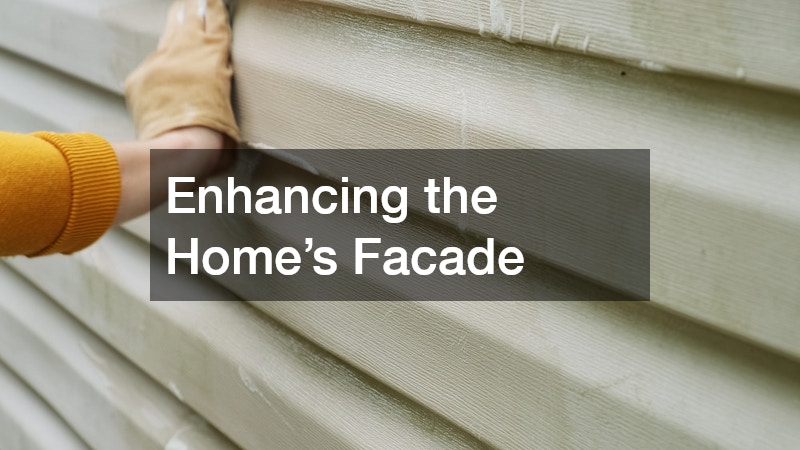
A frequently overlooked aspect of outdoor living design is the exterior wall of the house itself. This wall forms the dominant backdrop of your outdoor room. If the siding is faded, stained, or mismatched, it will detract from the luxurious feel of the new space, regardless of how beautiful your landscaping or furniture may be.
Transforming the back exterior wall of your home into an attractive, weather-resistant backdrop involves evaluating both its aesthetic charm and its functional relationship to the yard. Think of this wall as the primary accent wall of your outdoor living area. Improving its appearance and accessibility can be achieved through several deliberate enhancements:
- Utilize Color Psychology: The color of your home’s exterior directly impacts the perceived brightness of your patio. Soft, neutral tones bounce natural light beautifully during the late afternoon golden hour, making a small patio feel considerably larger and more inviting.
- Integrate Complementary Textures: Break up expansive, boring expanses of flat wall by incorporating varying textures. Combining smooth surfaces with textured panels or architectural accents adds visual depth and mimics high-end interior design principles.
- Streamline Indoor-Outdoor Access: True comfort relies on how easily you can move between your interior kitchen and your exterior grill or dining table. Ensure the pathways leading out to the patio are wide, unobstructed, and positioned to facilitate a natural traffic pattern for guests and hosts alike.
To update this critical vertical surface, consider collaborating with a certified siding contractor. A specialist can replace warped, dated, or damaged exterior panels with modern, low-maintenance materials like fiber cement or engineered wood shingles. These materials provide superior insulation, fire resistance, and a crisp, clean aesthetic that frames your outdoor space beautifully.
Following structural updates, hiring a residential painting contractor can tie the entire project together. Applying premium, UV-resistant exterior paint to the trim, fascia, soffits, and accent walls allows you to match the home’s architecture to your new outdoor color palette. This step ensures that the transition between your indoor style and outdoor environment feels cohesive rather than accidental.
Lighting, Power, and Seating
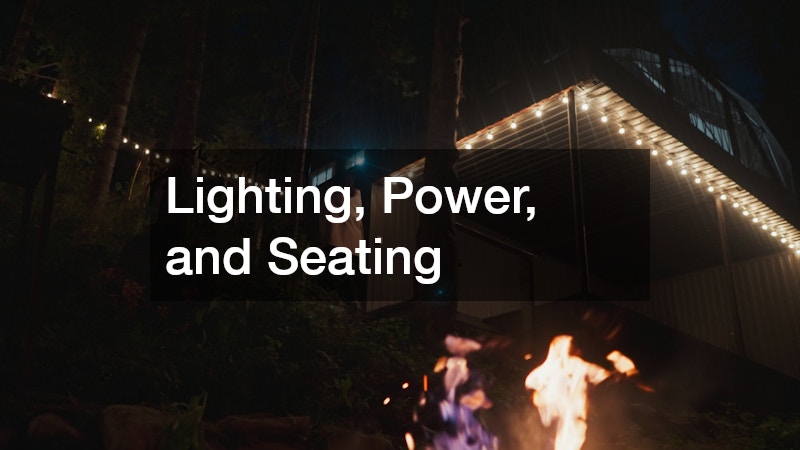
With the structural boundaries and vertical backdrops established, you can begin layer-ing the functional elements that make a space feel genuinely liveable. This phase focuses on microclimate control, power distribution, and layout ergonomics. The goal is to make the space so comfortable and practical that you choose to work, dine, and relax outside for hours on end.
Ergonomic layout planning requires maintaining open, intuitive pathways. You should preserve a minimum of thirty-six inches of walking clearance around all main gathering zones so movement feels unconstrained. To create an optimal balance of atmosphere and comfort, implement these design strategies:
- Deploy a Three-Layer Lighting Scheme: Avoid harsh, blinding floodlights. Instead, combine ambient lighting (such as dimmable overhead bistros) with task lighting (bright, focused lights over grilling stations) and accent lighting (low-voltage up-lighting buried in perimeter landscaping) to create an inviting evening glow.
- Account for Environmental Ingress Protection: Any electronic component installed outside must feature a proper IP rating. Ensure all switches, outlets, and audio-visual components are strictly rated for wet or damp locations to prevent short circuits and electrical hazards.
- Incorporate Active Climate Systems: Extend the usability of your space into chilly autumn nights or scorching summer afternoons by planning for built-in infrared heaters, ceiling fans, or mister systems that manually alter the ambient temperature of your seating zones.
Executing these technical integrations safely requires the specialized skills of licensed electrical contractors. These professionals can safely run underground conduits, install dedicated circuits for high-draw appliances like electric smokers or hot tubs, and mount weatherproof, exterior-grade smart televisions and sound systems without exposing unsightly or hazardous wiring.
Once your power and infrastructure are set, you can select the core layout components. Investing in high-performance outdoor furniture is vital for achieving true, living-room-level physical relaxation. Look for deep-seating sofas and sectionals built with marine-grade plywood or powder-coated aluminum frames, paired with high-density, quick-dry foam cushions wrapped in UV-stable performance fabrics that repel water, mold, and stains.
Keeping the Space Pristine
The longevity and comfort of an outdoor living investment depend entirely on consistent, proactive maintenance. Unlike indoor rooms, your outdoor oasis is continuously subjected to UV rays, torrential rains, pollen, and freezing temperatures. Without a structured preservation routine, high-end materials can rapidly degrade, lose their color, and accumulate slip-hazardous organic growth.
Protecting your investment from the elements does not require daily labor, but it does demand a thorough seasonal routine. By establishing a systematic cleaning and inspection checklist, you can prevent minor weathering from turning into expensive structural damage. Prioritize these essential restorative routines each year:
- Enforce a Bi-Annual Deep Clean: Every spring and autumn, clear all movable elements from the space to inspect the underlying foundations and perimeters. Wash away accumulated organic material, leaf stains, and bird droppings before they permanently discolor your stone or wood surfaces.
- Protect Textiles Seasonally: Even performance fabrics benefit from protection. Store your outdoor cushions in a dedicated, weatherproof deck box or garage during extended periods of non-use, and apply a fresh coat of fabric protectant annually to maintain water repellency.
- Inspect Seals and Perimeters: Routinely check the caulking, structural fasteners, and joints where your outdoor space interfaces with your home’s main structure. Catching a failing seal early can save thousands of dollars in water damage repairs.
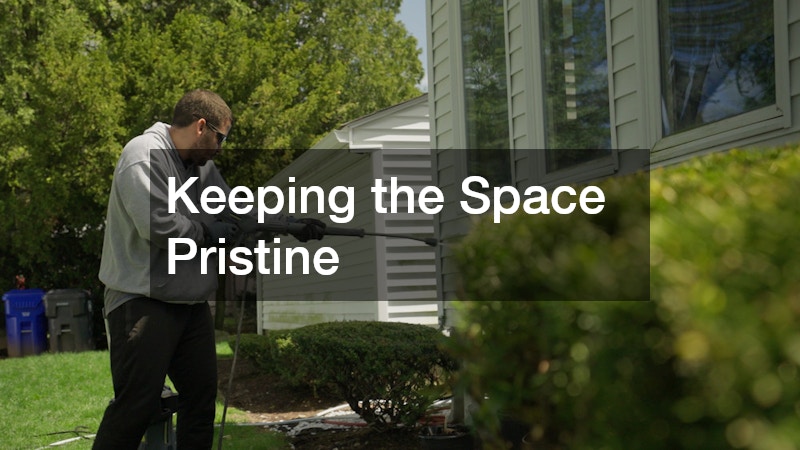
For deep cleaning tasks, booking a professional pressure washing service is highly recommended. Experienced technicians know exactly how to adjust water pressure levels and select specialized, eco-friendly detergents to safely strip away deep-set mold, algae, and grime from stone, brick, and fencing without gouging wood grains or eroding concrete binders.
Furthermore, over seasons of heavy use, structural shifts or flying debris can occasionally compromise the glass surfaces on the back of your home. Utilizing a prompt glass replacement specialist to swap out scratched, cracked, or fogged window panes and sliding doors ensures that your view of the garden remains crystal clear, preserving the seamless visual connection between your indoor and outdoor environments.
Creating a comfortable outdoor living space is an intentional journey that blends structural engineering, spatial ergonomics, and landscape design. By addressing your backyard as a collection of cohesive architectural zones, you can successfully build a functional retreat that stands up to the elements while providing a soothing escape from the stresses of daily life. The compound return on investment for an outdoor project like this is substantial; it simultaneously elevates your daily mental well-being and enhances your home’s long-term property appraisal value.
The secret to avoiding overwhelm during a large-scale backyard transformation is phased planning. Start by sketching a comprehensive master plan that prioritizes your structural privacy boundaries and foundation work first. Once the heavy earthmoving, electrical conduits, and masonry work are securely in place, you can gradually layer on the facade upgrades, comfortable seating arrangements, and customized atmospheric lighting over time.
By taking a patient, methodical approach and working alongside qualified professionals for the technical phases of the build, you can ensure that your outdoor living space remains a source of pride, comfort, and relaxation for decades to come.