How to Upgrade Your Smart Home in 2026
Smart home technology has moved far beyond novelty gadgets and voice assistants. In 2026, homeowners are embracing integrated systems that improve safety, efficiency, comfort, and long term property value. What once required complex wiring and expensive custom installations is now more accessible, scalable, and user friendly than ever before. From security upgrades to energy independence, smart home improvements are becoming a practical investment rather than a luxury.
Modern homeowners are increasingly focused on creating spaces that adapt to their routines, reduce energy waste, and provide peace of mind. Advances in artificial intelligence, wireless connectivity, and automation allow different systems within the home to communicate seamlessly. Lighting adjusts automatically, appliances alert you before failure, and climate controls respond to real time conditions. These upgrades not only improve daily living but also make homes more appealing to future buyers.
This guide explores the most impactful ways to upgrade your smart home in 2026. Each section focuses on a specific area of the home, highlighting how technology can be used to enhance function, safety, and convenience. Whether you are starting with a few smart devices or planning a full home transformation, these upgrades can help you create a more responsive and efficient living environment.
Improve Home Security
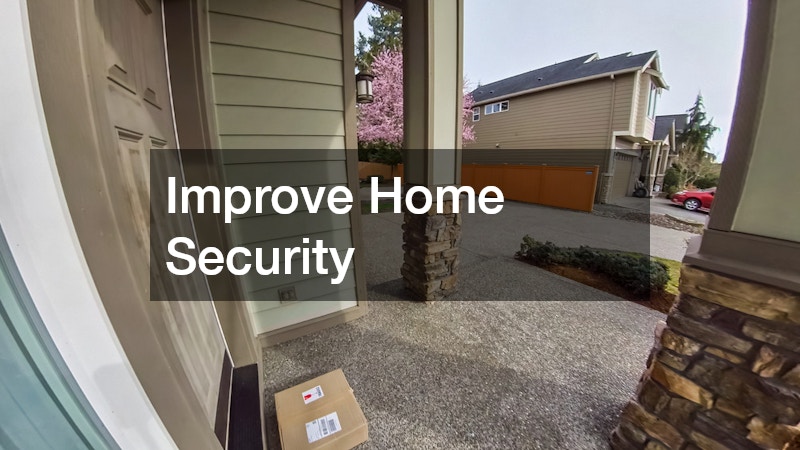
Home security remains one of the top motivations for smart home upgrades. In 2026, security systems are more intelligent, proactive, and customizable than ever before. Homeowners can now monitor their property in real time, receive instant alerts, and integrate security features with lighting, locks, and mobile devices. These systems are designed to respond immediately to unusual activity, helping to deter threats before they escalate.
Partnering with a trusted security company allows homeowners to design a system tailored to their property layout and lifestyle. Professional providers can recommend layered security strategies that include entry sensors, motion detection, smart locks, and integrated alarms. These components work together to create a comprehensive approach rather than relying on a single line of defense. Systems can be managed through centralized dashboards, giving homeowners full visibility and control whether they are at home or traveling.
Advanced monitoring has also become more accessible for residential properties. Once limited to business environments, commercial security cameras are now being adapted for home use with features like facial recognition, license plate detection, and high resolution night vision. These tools can identify familiar faces, track repeated activity patterns, and alert homeowners to unfamiliar movement. By filtering out everyday activity such as pets or passing cars, these cameras reduce false notifications while increasing confidence in real threats.
Automation plays a growing role in modern home protection. Security systems can trigger lighting when motion is detected, lock doors automatically at set times, or activate audible alerts if a breach occurs. Integration with smart assistants allows homeowners to check system status or receive spoken alerts without opening an app. This level of automation makes security feel effortless while still maintaining strong oversight.
Smart security systems in 2026 also emphasize privacy and data protection. Encrypted connections and local data storage options give homeowners greater control over how footage and information are managed. Many systems now offer customizable retention settings and user permissions, ensuring sensitive data is only accessible to authorized individuals. When integrated with other smart home systems, security technology becomes an active part of daily living rather than a passive safeguard, offering protection that adapts alongside your routine.
Better Internet Connection
A smart home is only as strong as its internet connection. With more devices relying on constant connectivity, homeowners are prioritizing network upgrades to support faster speeds, wider coverage, and greater reliability. In 2026, households often have dozens of connected devices operating simultaneously, from appliances and lighting to security and entertainment systems. Without a robust network, even the most advanced smart technology can experience lag, dropped connections, or inconsistent performance.
High speed internet plans are only part of the solution. Internal network quality plays an equally important role. Older routers and modems may struggle to handle modern data demands, especially in homes with multiple users streaming, working, and gaming at the same time. Upgrading network hardware helps reduce congestion and ensures that smart devices respond quickly to commands and automation schedules.
Upgrading to a mesh Wi Fi system is one of the most effective ways to eliminate dead zones and maintain consistent performance throughout the home. These systems use multiple access points to distribute signal evenly, making them ideal for larger or multi story properties. Smart routers can also prioritize traffic, ensuring that critical devices such as security systems, video calls, or smart thermostats receive bandwidth when needed. This prioritization improves reliability during peak usage times.
Working with local it services can help homeowners assess their current setup and identify bottlenecks. Professionals can optimize network layouts, secure connections against cyber threats, and recommend hardware upgrades that align with smart home goals. They may also configure separate networks for guests or smart devices, reducing security risks and improving overall performance. This support is especially valuable for homeowners who work remotely or rely heavily on cloud based systems.
A strong internet foundation enables smoother automation, faster response times, and more reliable device communication. Voice assistants respond instantly, security alerts arrive without delay, and smart appliances operate as intended. As smart homes continue to evolve, investing in connectivity ensures that future upgrades integrate seamlessly without performance issues, creating a dependable backbone for every connected feature in the home.
Upgrade to a Smart Kitchen
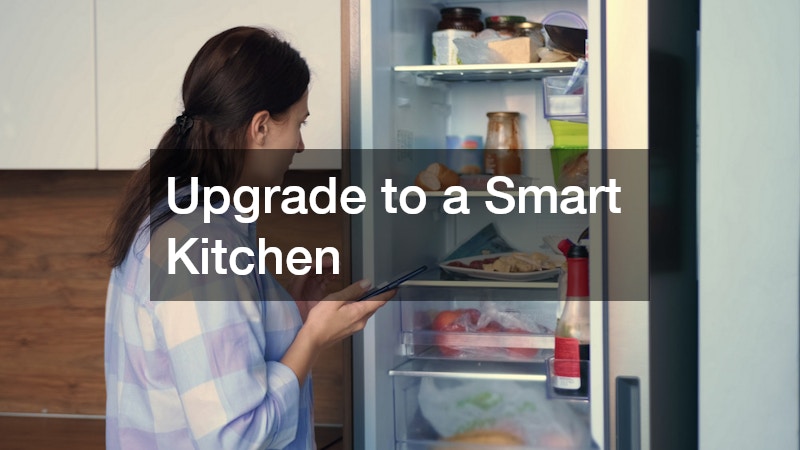
The kitchen is one of the most active spaces in the home, making it a prime candidate for smart upgrades. In 2026, smart kitchens combine efficiency, safety, and convenience through connected appliances and automated systems that simplify daily tasks. Homeowners are increasingly looking for solutions that save time, reduce waste, and create a more enjoyable cooking environment without adding complexity.
Smart refrigerators play a central role in modern kitchen upgrades. These appliances can track expiration dates, suggest recipes based on available ingredients, and notify homeowners of temperature fluctuations or door seal issues. When problems do occur, timely refrigerator repairs help maintain food safety and extend appliance lifespan. Many modern units now provide diagnostic alerts that allow technicians to quickly identify issues, reducing downtime and preventing minor malfunctions from turning into expensive replacements.
Safety enhancements are also a growing focus, particularly in homes that value fire prevention and compliance. Integrating a kitchen suppression system service adds an extra layer of protection by automatically responding to fire hazards near cooking equipment. These systems can be connected to home monitoring platforms, sending real time alerts and activating ventilation or shutoff mechanisms when necessary. This level of integration helps protect both property and occupants while providing peace of mind during everyday cooking.
Beyond appliances and safety systems, smart kitchens now feature intuitive controls that adapt to user habits. Touchless faucets improve hygiene and reduce water waste, while voice controlled lighting allows hands free adjustments during food preparation. App connected ovens and cooktops enable remote monitoring, preheating, and precise temperature control, making it easier to manage meals around busy schedules.
Together, these upgrades transform the kitchen into a highly responsive and intelligent space. By combining automation, safety features, and connected appliances, homeowners can create a kitchen that supports efficiency, minimizes risk, and enhances the overall flow of daily life.
Enhance Your Laundry Room
Laundry rooms are often overlooked in smart home planning, yet they offer significant opportunities for efficiency and protection. In 2026, smart laundry upgrades focus on preventing damage, reducing energy use, and improving convenience. With the right technology in place, this functional space can operate quietly in the background while saving time and reducing household costs.
Modern washers and dryers are equipped with sensors that optimize cycles based on load size, fabric type, and energy availability. These machines adjust water usage, temperature, and spin speed automatically to deliver better results with less waste. When problems occur, scheduling a dependable appliance repair service ensures that these advanced systems continue to perform as intended. Many smart appliances now provide detailed error codes and maintenance alerts, allowing technicians to diagnose issues quickly and accurately.
Water management is another critical area for improvement in the laundry room. Smart leak detectors can monitor hoses and connections around the clock, automatically shutting off water if a problem is detected. This proactive approach helps prevent costly water damage and mold growth. Adding water filtration installation further enhances performance by improving water quality for both appliances and clothing. Filtered water reduces mineral buildup inside machines, helps fabrics last longer, and supports more effective cleaning.
Additional enhancements make the laundry room more comfortable and organized. Smart shelving systems can track detergent and supply levels, while automated dispensers measure the exact amount needed for each load. Ventilation controls that adjust humidity levels help prevent excess moisture, protect surrounding materials, and improve air quality. Some systems can even sync with washer and dryer cycles to optimize airflow only when needed.
Together, these upgrades transform the laundry room into a smarter, safer, and more efficient part of the home. By combining automation, monitoring, and preventative features, homeowners can reduce maintenance concerns while enjoying a more streamlined and reliable laundry routine.
Consider Alternative Energy

Energy independence and sustainability are driving major smart home upgrades in 2026. Homeowners are increasingly investing in systems that reduce reliance on the grid while providing backup power and long term savings. Rising energy costs, grid instability, and growing environmental awareness are pushing more households to explore solutions that offer both financial and practical benefits.
Installing a whole house generator ensures uninterrupted power during outages, which is especially important for homes that rely on smart security systems, medical equipment, or remote work technology. Modern generators can integrate with smart home systems to activate automatically when a power disruption is detected. They also manage fuel efficiency and prioritize essential circuits, ensuring that critical systems continue running without overloading the unit. Homeowners receive alerts about maintenance needs, fuel levels, and usage statistics, allowing for better planning and reliable performance year round.
Renewable energy is also becoming more accessible and customizable. Working with a reputable solar power company allows homeowners to design systems that align with their energy consumption, roof structure, and long term goals. Smart solar setups include real time monitoring dashboards that track production and usage, helping homeowners understand how and when energy is being generated. Battery storage integration allows excess power to be saved for later use, reducing dependence on the grid during peak hours or outages.
Advanced energy management systems further enhance efficiency by automatically balancing loads across the home. Appliances, climate controls, and charging stations can adjust usage based on available solar power or battery levels. Some systems even learn household routines to optimize energy flow without requiring manual input. This level of automation helps homeowners maximize their investment while minimizing waste.
Add Comfort and Convenience To Your Bedroom

The bedroom is evolving into a personalized wellness space where technology supports better sleep and relaxation. In 2026, smart bedroom upgrades focus on comfort, customization, and seamless integration.
Innovative bedroom furniture now includes nightstands with built in wireless charging, adjustable beds that respond to sleep data, and lighting systems that mimic natural circadian rhythms. These features allow homeowners to tailor their environment to individual preferences, improving rest and overall well being.
Smart climate controls adjust temperature and humidity automatically based on sleep patterns, while noise management systems create ideal soundscapes. Integrated controls allow all bedroom features to be managed through a single app or voice command, reducing clutter and complexity.
By focusing on comfort and convenience, smart bedroom upgrades turn rest into a more intentional and restorative experience. These improvements support healthier routines and enhance daily quality of life.
Upgrading your smart home in 2026 is about more than adding new gadgets. It is about creating a cohesive environment where technology works quietly in the background to support safety, efficiency, and comfort. From enhanced security and connectivity to smarter kitchens, laundry rooms, and bedrooms, each upgrade contributes to a more responsive and resilient home.
As smart technology continues to evolve, homeowners who invest thoughtfully can enjoy both immediate benefits and long term value. Whether you choose to start small or pursue a comprehensive transformation, the key is integration and planning. By focusing on systems that work together, you can build a home that adapts to your lifestyle today while remaining ready for the innovations of tomorrow.