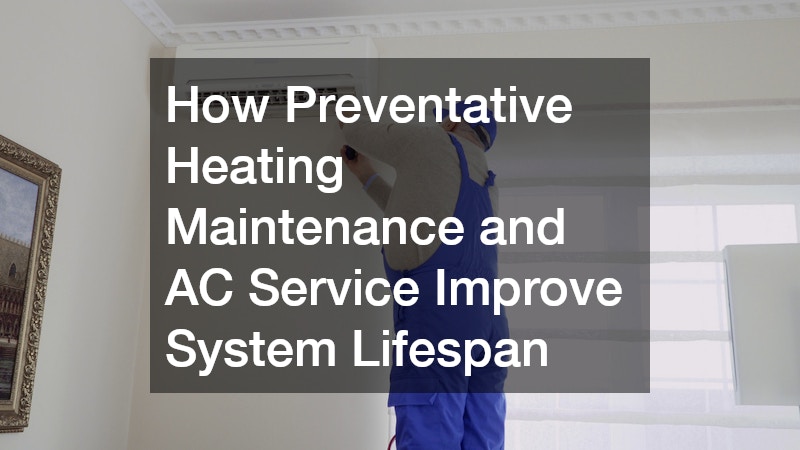
Your HVAC system is one of the most important – and expensive – components in your home or business. It works quietly in the background, keeping you comfortable through extreme temperatures, but like any mechanical system, it experiences wear and tear over time. The difference between a system that lasts 10 years and one that lasts 20 often comes down to how well it’s maintained.
Preventative care isn’t just about avoiding breakdowns. It’s about improving efficiency, reducing energy costs, and protecting your long-term investment. In this guide, we’ll break down exactly how proactive care extends system lifespan and what practical steps you can take to keep everything running smoothly for years to come.
Understand How Your System Wears Down Over Time
Every HVAC system is made up of multiple moving and mechanical components that naturally wear down as they operate day after day. From motors and belts to coils and filters, each part experiences stress during normal use, especially during peak heating and cooling seasons. Over time, dust buildup, friction, and continuous cycling gradually reduce efficiency and performance. Without consistent attention, these small, almost unnoticeable changes can accumulate and lead to larger system issues that impact both comfort and energy costs.
What causes system wear?
- Constant cycling during peak seasons
- Dust and debris buildup inside components
- Moisture accumulation leading to corrosion
- Lack of lubrication in moving parts
Heating maintenance plays a critical role in slowing this process. When systems are cleaned, adjusted, and inspected regularly, components operate under less stress and maintain proper function for longer periods. Routine care ensures that small inefficiencies don’t spiral into major mechanical failures, helping preserve the overall health of the system.
Why neglect leads to bigger problems
Ignoring routine upkeep often results in:
- Reduced airflow and uneven temperatures
- Overheating components
- Increased strain on compressors and motors
- Premature need for HVAC repair
A system rarely fails overnight, which is why preventative care is so important. Instead, it gradually deteriorates as minor issues go unnoticed and unresolved. What starts as a clogged filter or loose component can eventually lead to significant damage, costly repairs, and even complete system failure. Staying proactive allows you to catch and correct these problems early, ultimately extending the lifespan of your HVAC system and avoiding unnecessary expenses.
Schedule Seasonal Tune-Ups Before Peak Usage
Your HVAC system works hardest during the hottest and coldest months of the year, which makes preparation essential before those peak periods arrive. Scheduling maintenance ahead of time ensures your system is ready to handle increased demand without unnecessary strain. Many homeowners wait until something goes wrong, but proactive scheduling allows technicians to identify and resolve issues before they become emergencies.
Why seasonal maintenance matters
- Prevents breakdowns during extreme weather
- Improves efficiency when you need it most
- Identifies worn parts before they fail
A typical AC service appointment in the spring prepares your cooling system for summer heat, while a heating service in the fall ensures your system is ready for colder months.
What to expect during a tune-up
- System inspection and performance testing
- Cleaning of coils and internal components
- Checking refrigerant levels
- Tightening electrical connections
- Lubricating moving parts
Taking the time to schedule these services before peak seasons gives your system a strong foundation for reliable performance. Instead of reacting to failures during extreme temperatures, you can feel confident knowing your equipment has been properly prepared, reducing stress on components and extending its overall lifespan.
Replace Filters and Clean Components Regularly
Keeping your HVAC system clean is one of the simplest yet most effective ways to improve performance and longevity. Over time, dust, debris, and contaminants accumulate inside your system, restricting airflow and forcing components to work harder than necessary. This added strain not only increases energy usage but also accelerates wear on essential parts.
Filter replacement basics
- Replace filters every 1–3 months
- Check more frequently if you have pets or allergies
- Use the correct filter size and rating
Why cleanliness matters
When airflow is restricted:
- Systems consume more energy
- Components overheat
- Dust circulates throughout your home
Neglecting these tasks often leads to unnecessary ac repair service calls, many of which could have been avoided with routine upkeep.
DIY vs professional care
You can handle:
- Filter changes
- Clearing debris around units
- Basic vent cleaning
Leave these to professionals:
- Deep coil cleaning
- Electrical inspections
- Refrigerant checks
Maintaining a clean system creates a healthier environment for both your equipment and your indoor air quality. Regular HVAC Service ensures that deeper, less visible areas are properly addressed, preventing hidden issues from developing into costly problems down the line.
Catch Small Issues Early Before They Escalate
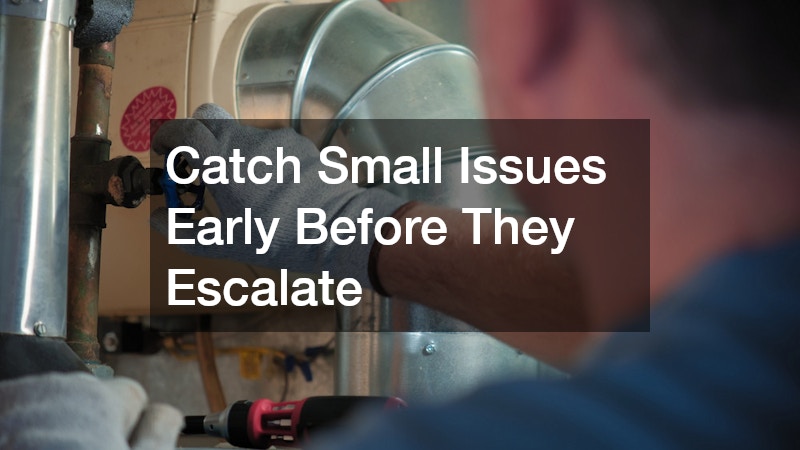
HVAC systems often give subtle warning signs before a major failure occurs, but these signs are easy to overlook if you’re not paying close attention. Small irregularities in performance can indicate underlying issues that, if left unresolved, will worsen over time. Being proactive about identifying these early symptoms can save you from expensive repairs and unexpected system downtime.
Common warning signs
- Strange noises (grinding, rattling, buzzing)
- Weak or inconsistent airflow
- Unusual odors
- Higher-than-normal energy bills
Why early action matters
Minor issues like a loose belt or clogged drain can quickly escalate into major HVAC repair needs if ignored.
Monthly system check routine
- Listen for unusual sounds
- Check airflow from vents
- Inspect the outdoor unit for debris
- Monitor thermostat accuracy
Taking a few minutes each month to inspect your system can make a significant difference in its long-term performance. Addressing small concerns early reduces the likelihood of major breakdowns and keeps repair costs manageable, helping you avoid frequent AC repairs and maintain consistent comfort.
Optimize System Efficiency to Reduce Strain
Efficiency plays a direct role in how long your HVAC system lasts, as systems that operate under constant strain tend to wear out much faster. When your system has to work harder to maintain comfortable temperatures, it places additional stress on internal components, leading to quicker deterioration. Improving efficiency helps reduce this workload and keeps your system running smoothly.
Ways to improve efficiency
- Install a programmable or smart thermostat
- Seal air leaks around windows and doors
- Improve insulation in attics and walls
- Keep vents open and unobstructed
Smart thermostat benefits
- Automatically adjusts temperatures
- Reduces unnecessary runtime
- Provides usage insights
Regular ac service combined with consistent Heating maintenance ensures your system operates efficiently, reducing strain on critical components.
By focusing on efficiency improvements, you create an environment where your system doesn’t have to overcompensate for external factors. This not only lowers energy bills but also significantly extends the lifespan of your HVAC equipment by minimizing unnecessary wear and tear.
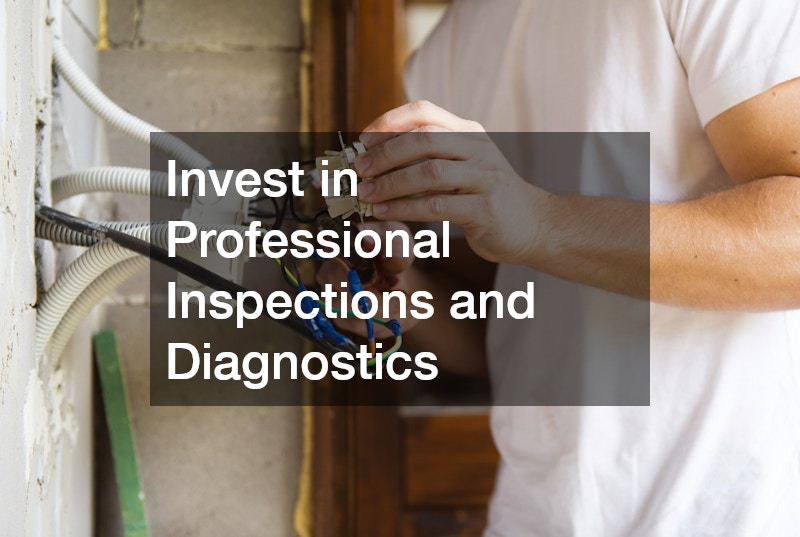
Invest in Professional Inspections and Diagnostics
While routine upkeep is essential, professional inspections provide a deeper level of analysis that helps uncover hidden issues within your system. Many problems develop internally and are not immediately visible, which is why trained technicians use specialized tools and expertise to evaluate system performance. These inspections are a key part of preventing unexpected failures.
What professionals check
- Electrical connections and voltage levels
- Internal component wear
- Refrigerant pressure
- Safety controls and system calibration
Benefits of regular inspections
- Prevent unexpected breakdowns
- Extend equipment lifespan
- Improve energy efficiency
- Ensure safe operation
Scheduling routine HVAC Service and Heating services provides peace of mind and helps you stay ahead of potential failures.
Investing in professional diagnostics allows you to address concerns before they escalate into serious problems. With consistent evaluations, your system remains reliable, efficient, and capable of delivering long-term performance without unnecessary disruptions.
Know When Repairs Are No Longer Enough
Even with the best maintenance practices, every HVAC system eventually reaches a point where repairs are no longer the most practical solution. As systems age, components become less efficient, and breakdowns may occur more frequently. Understanding when to transition from repairing to replacing your system can help you avoid ongoing expenses and frustration.
Signs it’s time for replacement
- Frequent breakdowns
- Rising repair costs
- Inconsistent performance
- System age (typically 10–15 years)
Repair vs replacement comparison
- Occasional fixes → continue with AC repair service
- Repeated issues → consider AC replacement
Cost considerations
- Older systems are less efficient
- New systems reduce energy bills
- Frequent repairs add up quickly
Making the decision to replace your system at the right time ensures you are investing wisely in your comfort and efficiency. Continuing to rely on outdated equipment often leads to higher costs in the long run, while upgrading provides more reliable performance and improved energy savings.
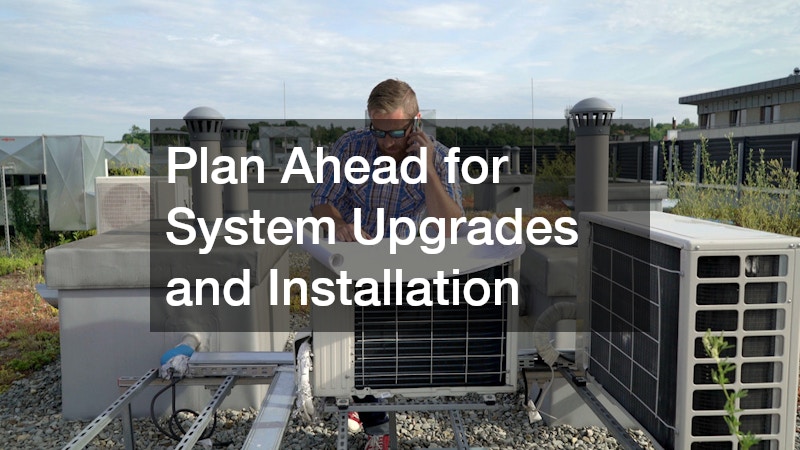
Plan Ahead for System Upgrades and Installation
Planning ahead for a system upgrade allows you to make informed decisions rather than rushing into an emergency replacement. When your system fails unexpectedly, you may be forced to choose a quick solution rather than the best one. Taking a proactive approach ensures you have time to evaluate options and select equipment that meets your needs.
Benefits of early planning
- Time to research options
- Ability to compare quotes
- Avoid emergency installation costs
What to consider
- System size and capacity
- Energy efficiency ratings
- Compatibility with existing ductwork
A properly timed HVAC installation ensures optimal performance and avoids unnecessary stress. Preventative care can significantly delay the need for ac replacement, saving you money over time.
By planning ahead, you gain control over the process and ensure your new system is installed under ideal conditions. This leads to better performance, improved efficiency, and a smoother transition when the time comes to upgrade.
Tailor Maintenance Plans for Larger or Business Systems
Larger systems, especially those used in commercial settings, require a more structured and consistent maintenance approach due to their increased workload and complexity. These systems often run for extended hours and support larger spaces, making them more susceptible to wear if not properly maintained. A customized maintenance plan is essential for keeping them operating efficiently.
Key differences in larger systems
- Longer operating hours
- More complex components
- Higher energy usage
Why routine care is critical
- Prevents costly downtime
- Ensures consistent indoor comfort
- Protects business operations
Recommended maintenance practices
- Quarterly inspections
- Scheduled filter replacements
- Detailed performance tracking
Working with providers that specialize in commercial hvac services ensures your system receives the attention it needs. Consistent HVAC Service is essential for keeping large systems running efficiently.
A well-maintained commercial system supports productivity and prevents disruptions that could impact business operations. With the right plan in place, you can extend the lifespan of your equipment while maintaining a comfortable environment for employees and customers.
Build a Long-Term Maintenance Routine That Works
Creating a long-term maintenance routine is one of the most effective ways to ensure your HVAC system continues to perform reliably year after year. Without a structured plan, it’s easy to overlook important tasks or delay necessary service, which can lead to avoidable problems. Establishing a consistent routine helps you stay organized and proactive.
Create a yearly schedule
- Spring: cooling system tune-up
- Fall: heating system inspection
- Monthly: filter checks and basic inspections
Track system performance
- Keep records of service visits
- Monitor energy usage trends
- Note recurring issues
Combine professional and DIY care
- Schedule regular Heating services
- Perform simple upkeep tasks at home
- Address issues promptly to avoid ac repairs
By committing to a consistent maintenance routine, you create a system of accountability that keeps your HVAC equipment in top condition. This proactive approach reduces unexpected breakdowns, lowers long-term costs, and ensures your system continues to deliver reliable comfort for years to come.
Take Control of Your System’s Lifespan with Consistent Preventative Care
Extending the lifespan of your HVAC system isn’t about one big action – it’s about consistent, preventative care over time. By staying proactive, addressing small issues early, and investing in regular inspections, you can significantly reduce wear and avoid costly breakdowns.
The result is a system that performs better, lasts longer, and saves you money in the long run. Taking action now ensures your home or business stays comfortable no matter the season, without the stress of unexpected failures.